
The Fiber That Lowers Cholesterol: How Michigan Apples Support Heart Health Naturally
If you’ve ever been told to “eat more fiber” for your cholesterol, you’re not wrong.
But you’re also not getting the full story.
Because when it comes to lowering LDL cholesterol,
the type of fiber you eat matters.
And one type, viscous fiber, does most of the heavy lifting.
What Is Viscous Fiber? (And Why It Matters for Cholesterol)
Viscous fiber is a type of soluble fiber that forms a thick, gel-like substance in your digestive tract.
You’ll find it in foods like:
- Oats and barley
- Beans and lentils
- Chia seeds
- Psyllium
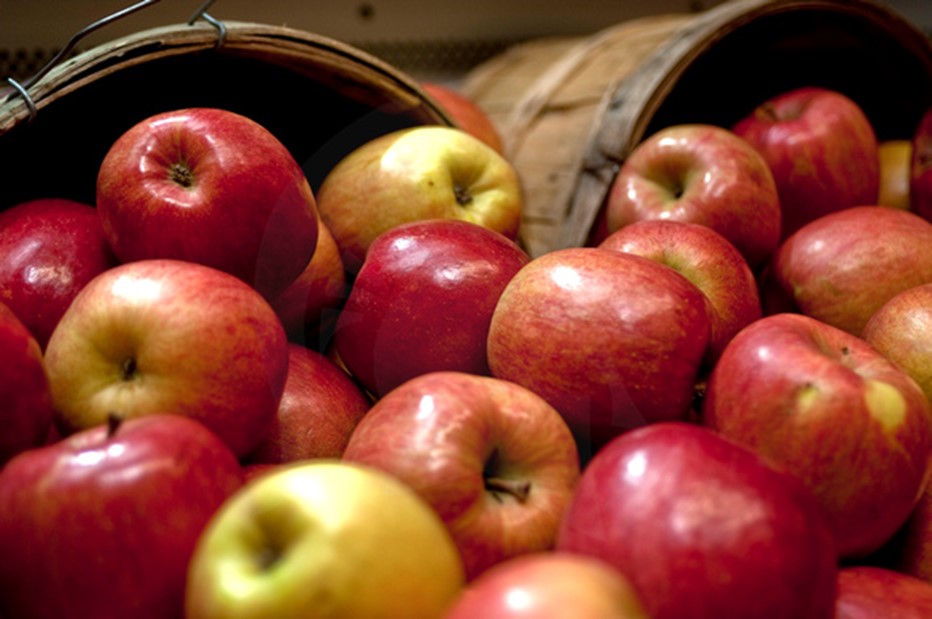
- And Michigan apples 🍎 (rich in pectin)
Unlike other fibers that mainly support digestion, viscous fiber actively interacts with your body’s cholesterol metabolism.
How Viscous Fiber Lowers LDL Cholesterol
Here’s the physiology, simplified:
- Your liver uses cholesterol to make bile
- Bile helps digest fats in your small intestine
- Normally, much of that bile is reabsorbed and reused
Viscous fiber changes this process.
It binds to bile acids in the gut, carries them out of the body, and in response, your liver pulls cholesterol from the bloodstream to make more bile.
Result: Lower circulating LDL cholesterol over time
This is one of the most well-established, food-based mechanisms for improving lipid levels.
The Science: The Portfolio Diet
The Portfolio Diet is a clinically studied eating pattern designed to lower cholesterol using specific foods.
It emphasizes:
- Viscous fiber
- Plant sterols
- Soy protein
- Nuts
Clinical trials have shown:
- Approximately 17–30% reduction in LDL cholesterol
- Effects comparable to first-line statins in some individuals
Read the study: https://jamanetwork.com/journals/jama/fullarticle/1104269
The key takeaway is that you don’t have to follow the entire diet perfectly. Increasing viscous fiber alone can make a meaningful difference.
🍎 Why Michigan Apples Are a Simple, Practical Starting Point
Michigan apples are a rich source of pectin, a naturally occurring viscous fiber.
They also offer something many “heart healthy” strategies lack: practicality.
They are:
- Accessible
- Affordable
- Portable
- Family-friendly
This is not about adding complexity. It is about using real food in a way that supports your physiology.
What This Looks Like in Real Life
Rather than overhauling your diet, think about building repeatable patterns.
Breakfast Ideas
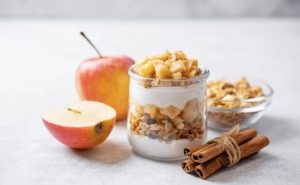
- Oatmeal with cinnamon, walnuts, and sautéed Michigan apples 🍎
- Greek yogurt with granola and chopped Michigan apples 🍎
- Chia pudding with diced Michigan apples 🍎 and almond butter

Lunch Ideas
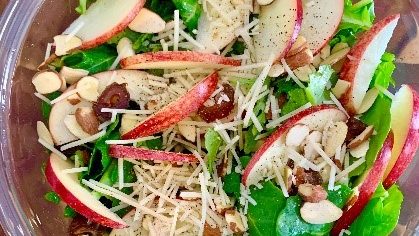
- Kale salad with Michigan apples 🍎, chickpeas, and pecans
- Turkey sandwich with sliced Michigan apples 🍎 on the side
- Grain bowl with farro, roasted vegetables, and Michigan apple 🍎 slaw
Snack Ideas
-
- Michigan apple 🍎 with peanut butter
- Sliced Michigan apples 🍎 with cheddar cheese
- Michigan apples 🍎 dipped in yogurt

Dinner Pairings
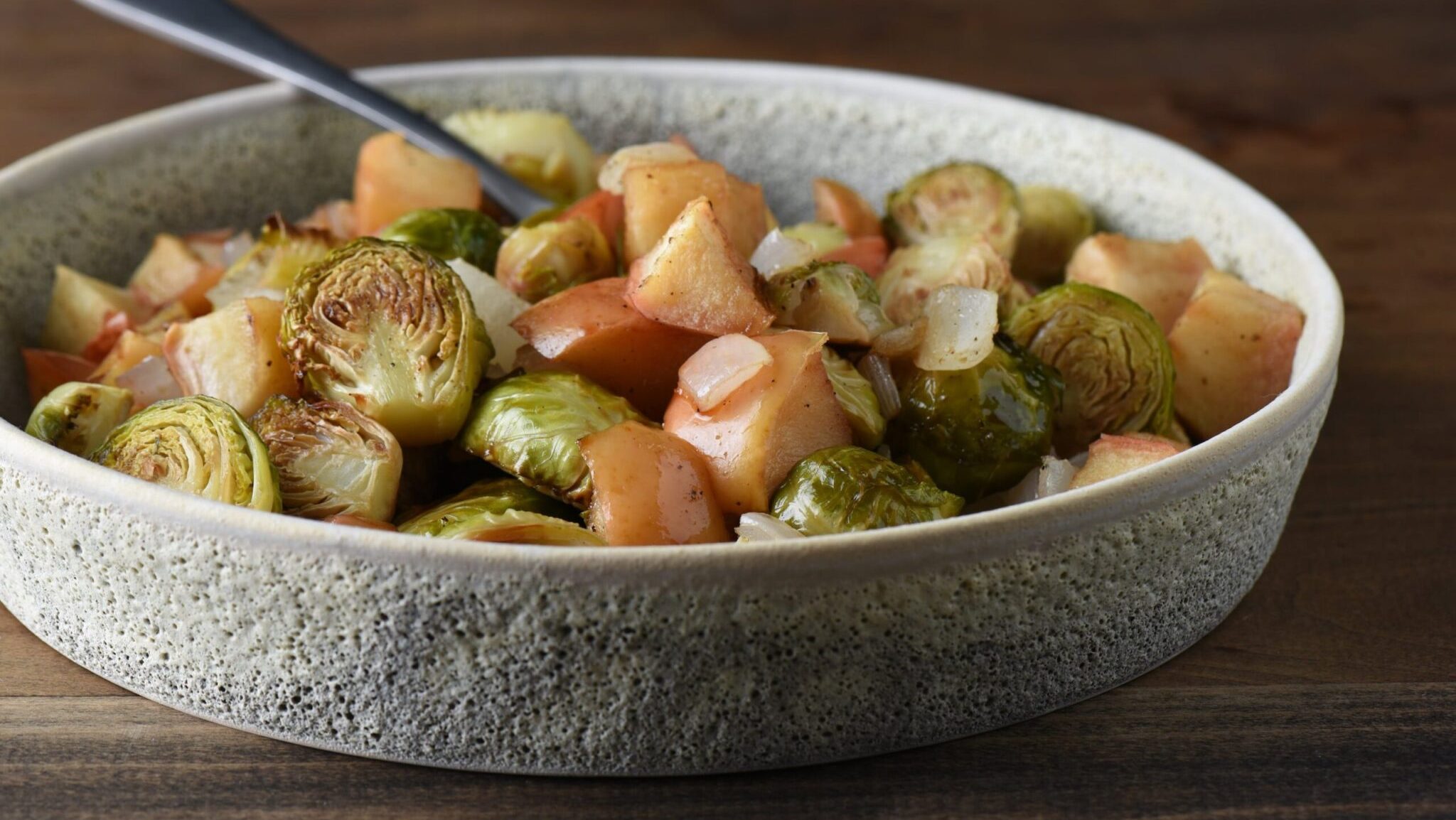
- Roasted chicken with Brussels sprouts and Michigan apples 🍎
- Lentil soup with a fresh Michigan apple 🍎 salad
- Pork tenderloin with caramelized Michigan apples 🍎 and onions
How Much Fiber Do You Need for Heart Health?
Total Daily Fiber
- Women: approximately 21–25 grams per day
- Men: approximately 30–38 grams per day
Most adults fall short, often closer to 15 grams per day.
How Much Viscous Fiber Should You Aim For?
There is no formal daily requirement for viscous fiber, but research suggests:
5–10 grams of viscous (soluble) fiber per day can support meaningful LDL reduction.
This might look like:
- 1 bowl of oatmeal (~2 grams)
- 1 Michigan apple 🍎 (~1–1.5 grams pectin)
- ½ cup beans or lentils (~1–2 grams soluble fiber)
When layered across meals, this becomes very achievable.
A More Practical Approach to Lowering Cholesterol
Many people assume they need to be perfect.
But your physiology does not require perfection. It responds to consistency.
Adding viscous fiber regularly, building balanced meals, and supporting your body with small, repeatable habits can create meaningful change over time.
🍎 Start Here
If you are unsure where to begin, start with one daily habit.
Add a Michigan apple 🍎.
Pair it with protein or healthy fat.
Repeat it most days.
Let it be simple enough that you can sustain it.
Thanks for reading!