
Time for a Healthy Gut Check
The human body is host to tens of trillions of microbes, and the largest population of these lives in the gut – our gut microbiota. The right balance of these microbial cells is vital to normal health. As studies on the microbiota expand, we are learning how closely having a healthy gut balance of these microbes influences our metabolism, immune system, and possibly brain functions.
In their book, “The Good Gut,” authors Justin and Erica Sonnenburg discuss how our diet, potential overuse of antibiotics, and the focus on a germ-free environment may have disrupted the healthy diversity in our gut to a point where it is likely impacting our health in negative ways.
The good news is that there are lifestyle changes we can make that can help promote a healthy gut and improve our overall well-being. Understanding the effects that a poor diet and antibiotics have on our gut health can empower us to take action and give ourselves a healthy gut check.
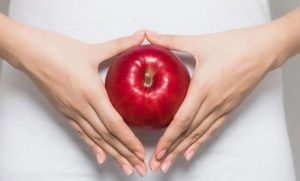
Start with Your Diet – Tips for Creating a Healthy Gut
Make sure to eat high-fiber foods at every meal. Gut microbes rely upon complex carbohydrates (dietary fiber) to complete their functions in the gut. They digest fiber that comes from plant material: fruits, vegetables, legumes, and whole grains.
How to Consume Plenty of Prebiotics
…or “food” for the good bacteria in your gut to feed on.
- Eat more whole fruits and vegetables like Michigan Apples.
- Consume whole grains and use whole grain flour for baking.
- Eat at least ½ cup of legumes per day.
- Eat fermented foods like yogurt, kefir, miso and sauerkraut. They contain probiotics, like lactobacilli and bifidobacterial, to promote a healthy colon.
- Avoid fad diets that eliminate whole food groups. Diets should include diverse food choices, in moderation. Research shows the microbiota has a great range of needs that a diet with a variety of foods can help provide.
Add These Foods to Your Diet
Fruits and Vegetables:
-
- Michigan Apples
- Pears
- Figs
- Bananas
- Spinach
- Broccoli
- Cauliflower
- Carrots
- Garlic
- Leeks and onions
- Asparagus
- Black beans
- Dried peas
- Garbanzo beans
- Pinto beans
- Legumes
- Kidney beans
Whole Grains:
-
- Whole grain hot and cold cereals
- Whole grain crackers
- Popcorn
- Whole grain buns and bread
- Whole grain pasta
- Brown rice
- Quinoa
- Amaranth
- Barley
- Spelt
- Sorghum
- Farro
Fermented Foods:
-
- Yogurt
- Kefir
- Miso
- Tempeh
- Kimchi
- Sauerkraut
- Kombucha
How Apples Help Our Digestive Tract:
- A medium apple has only 80 calories and over 4 grams of fiber! A Michigan Apple is a great way to help achieve the goal of 25+ grams of fiber daily.
- Apples are specifically known for providing a beneficial type of soluble fiber called pectin:
-
- Pectin absorbs water in your intestinal tract to soften stools, while the insoluble fiber in apples provides bulk to ease elimination. Apples are nature’s laxative!
- Apple pectin serves as a prebiotic for the friendly bacteria in the intestines, which allows them to replicate and thrive to create a healthier gut.
Apple Recipes for a Healthy Gut
Michigan Apples make a great grab-and-go snack and are a versatile ingredient in everyday meals and recipes.
Substituting an apple for chips or candy can save calories while adding filling fiber and important nutrients. Besides being eaten whole as a snack, apples can be added to healthful salads, beverages, side dishes, cereals, and even desserts. Try some of our Michigan Apples Recipes.


Apples Roasted with Root Vegetables

Find more tips to get more healthy, gut-friendly Michigan Apples into your diet or recipes!
