
Why Apples Love Michigan’s Weather
From crisp autumn air to lake-cooled summers, Michigan offers the perfect conditions for growing exceptional apples. The unique climate shaped by the Great Lakes plays a vital role in developing the flavor, color, and quality of Michigan Apples. This page explores how weather influences every stage of apple growth, from winter dormancy to spring frost risks and summer hailstorms, along with the careful practices growers use to protect their crops. Discover how Michigan’s natural environment helps produce the apples you love.
Where Apples Love to Grow
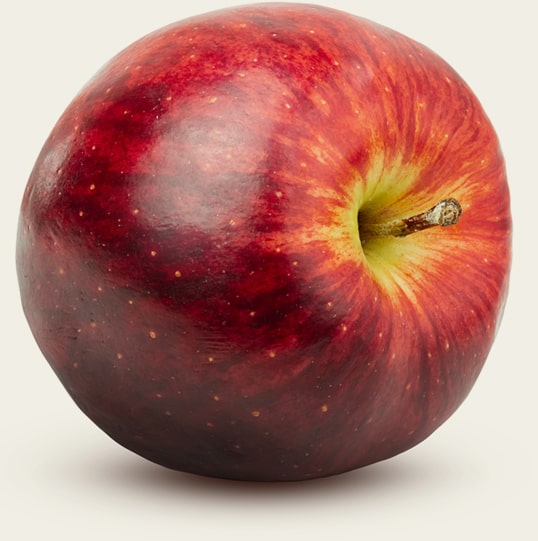
The Perfect Location for Growing Apples
Thanks to Michigan’s unique climate, shaped by the Great Lakes’ moderating influence, nutrient-rich soils, and ideal temperature swings, Michigan Apples are known for their exceptional color, crunch, and flavor.
Ideal Temperatures
The lakes temper cold spring temperatures to protect apples from frost damage while providing needed moisture.
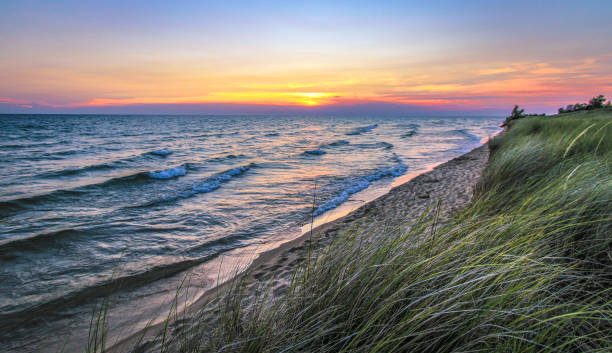
Nutrient-Rich Soil
Michigan’s hilly topography, nutrient-rich soil, cool nights and warm sunny days provide the perfect conditions to produce high-color, flavorful fruit.
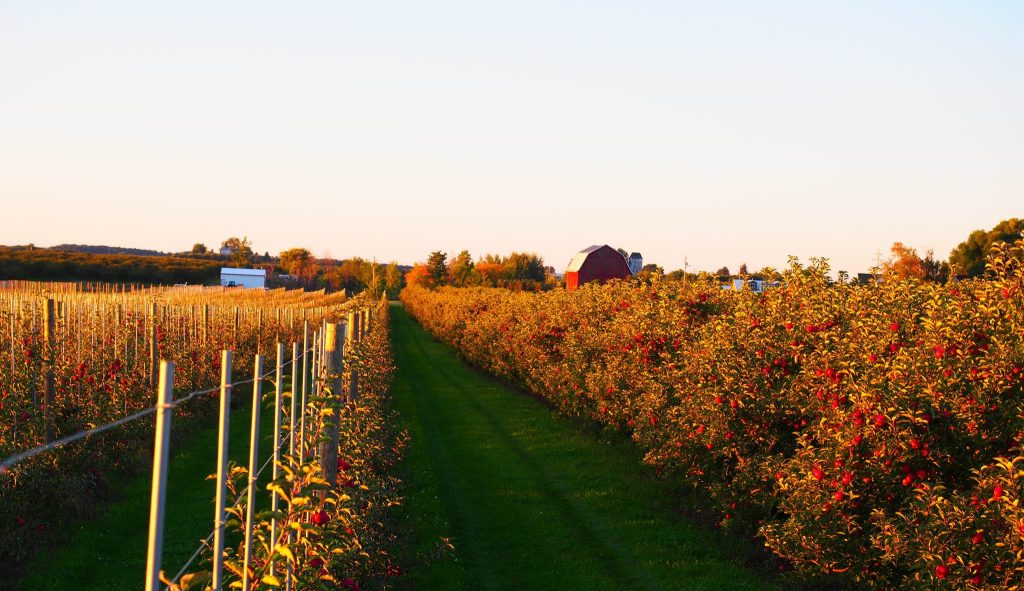
Growing Apples with the Weather
Apple Bud Stages
There are 8 stages to apple bud development: Dormant, Silver Tip, Green Tip, Half-Inch Green, Tight Cluster, Late Pink, King Bloom, Full Bloom.

1. Dormant
The tree is in a state of rest
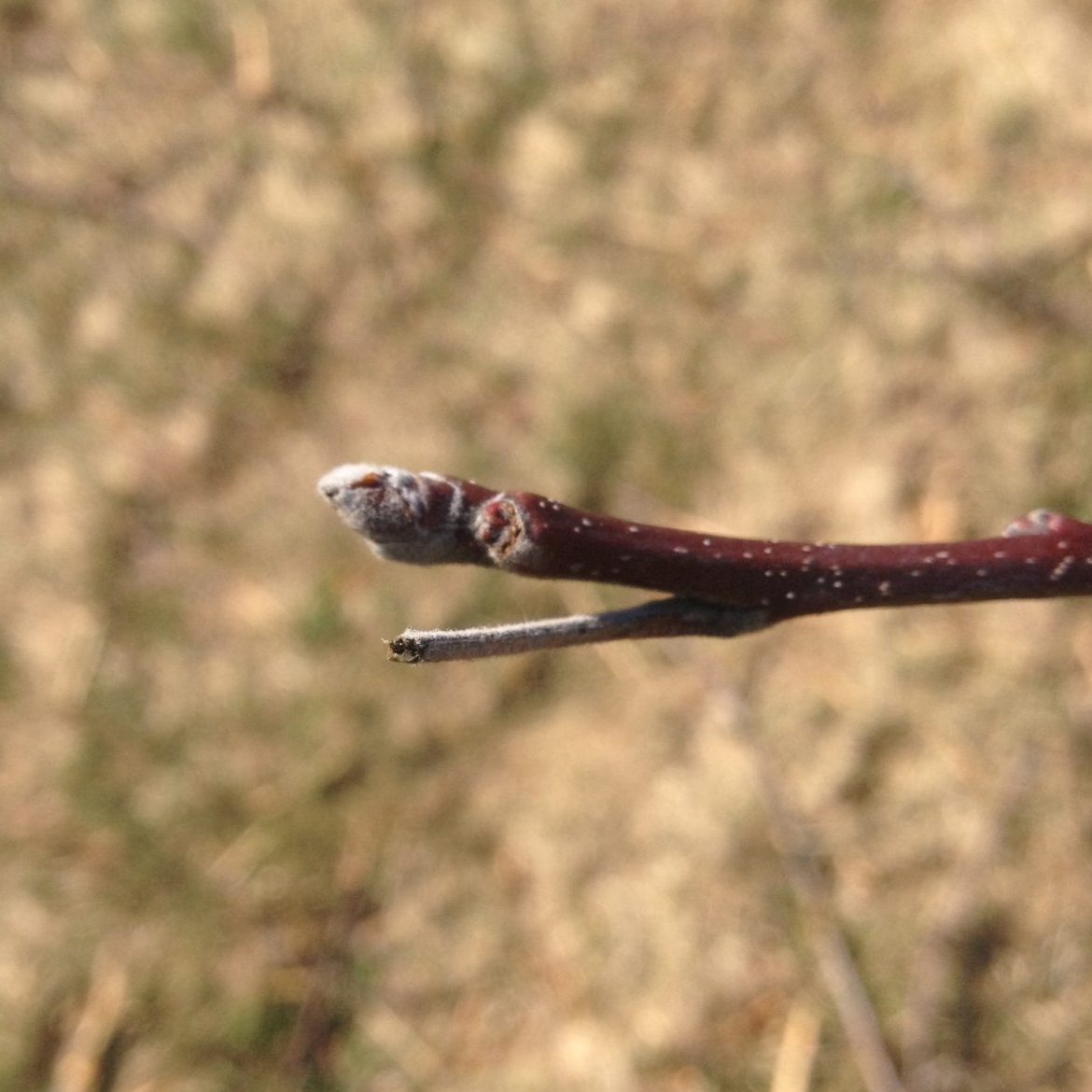
2. Silver Tip
Leaf tips begin to emerge

3. Green Tip
Leaf tips are visible

4. Half-Inch Green
Leaves are around a 1/2 inch long
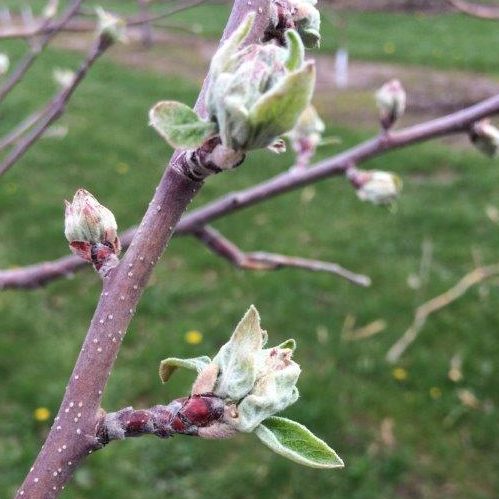
5. Tight Cluster
Blossom buds are tightly clustered
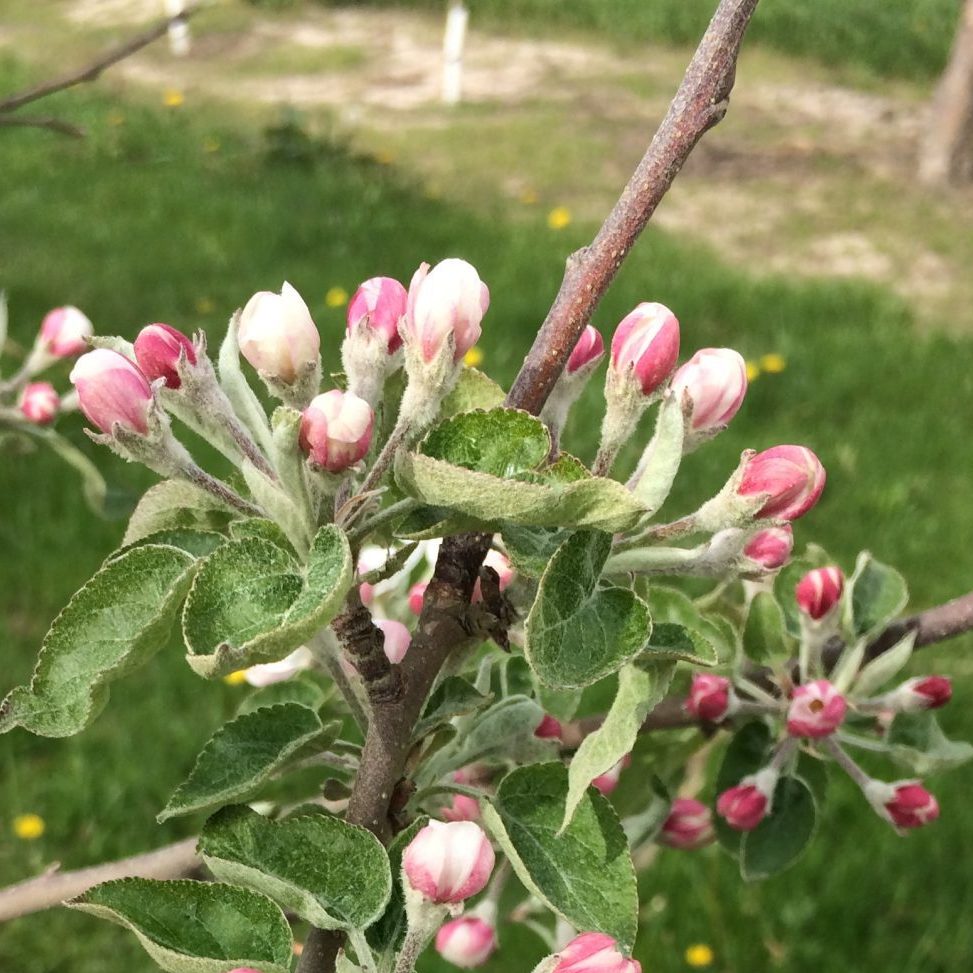
6. Late Pink
Buds are pink and about to bloom
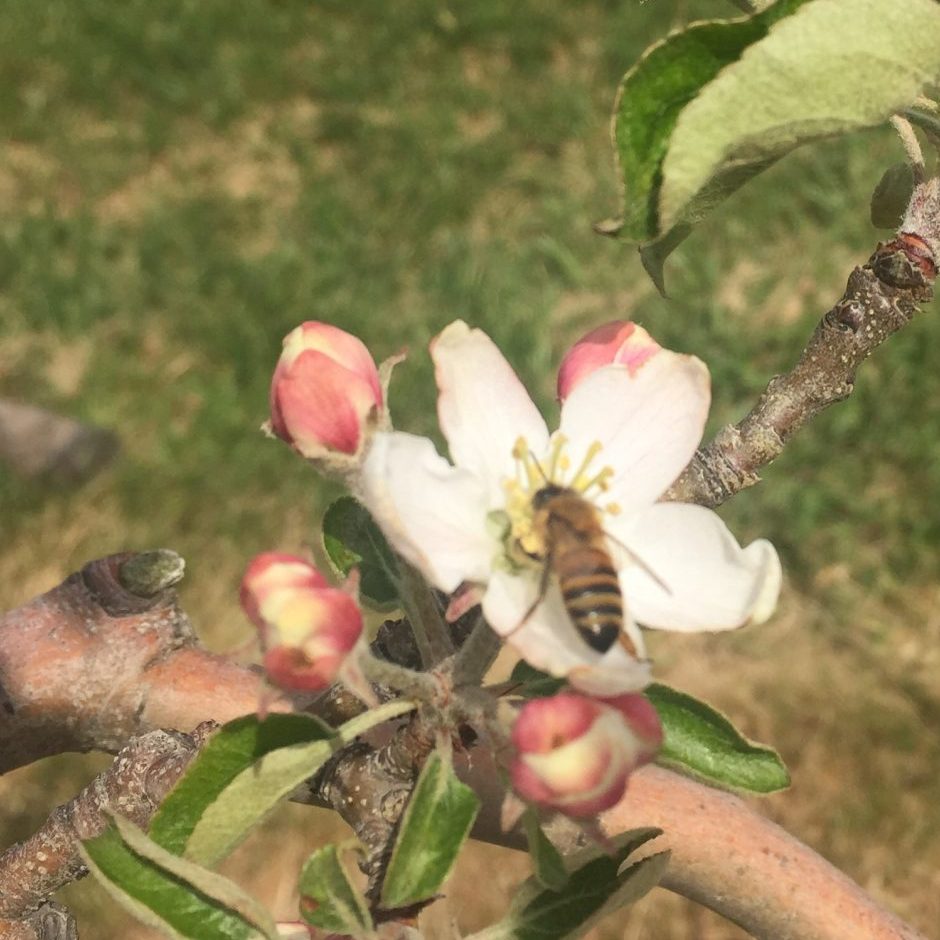
7. King Bloom
The first flower in the cluster has bloomed

8. Full Bloom
All the flowers in the cluster are in bloom

All About Apple Bud Dormancy
In winter, Michigan Apple trees enter a vital period of dormancy, a natural resting phase that conserves energy and halts growth. Triggered by colder temperatures and shorter daylight hours, this dormancy is essential for the health and productivity of the tree. It helps prepare the apple tree for the upcoming growing season.
A key part of dormancy is the accumulation of chill hours, which is the number of hours with temperatures below 45°F. These chill hours are necessary for apple trees to break dormancy and ensure proper flowering and fruit development in spring. Different apple varieties require varying amounts of chill hours, typically ranging from 300 to over 1,000 hours.
During dormancy, the fruit buds formed during the previous summer remain inactive and are protected by a tough outer casing. As spring approaches and temperatures rise, along with increasing daylight, the tree gradually exits dormancy. Buds begin to swell and eventually blossom, marking the start of the growing season.
Michigan’s winter climate plays a crucial role in this process. The timing and severity of cold weather, along with the specific apple cultivar, influence how and when apple trees exit dormancy and begin to grow.
How Frost Affects Michigan Apples
Frost Concerns
Frost poses a significant threat to apple trees because freezing temperatures can damage or kill blossoms, leaves, and even branches, leading to reduced fruit production or even crop failure for that year.
Frost damage is a major concern for Michigan Apples, especially during the critical bloom period. When cold weather strikes at the wrong time, it can significantly reduce fruit yield and impact tree health.
Apple blossoms are most vulnerable to frost just before, during, and after bloom, when the flowers are actively developing. As buds swell and open, they become increasingly sensitive to freezing temperatures. Frost in the upper 20s°F can cause severe damage, particularly at full bloom, often preventing pollination and fruit set.
Frost doesn’t just affect blossoms. Damage to young leaves can hinder photosynthesis, reducing the tree’s energy production and limiting growth and fruit development. In extreme cases, frost can injure or kill branches, leading to dieback, stunted growth, or even tree death.
Protecting apple trees from frost during key developmental stages is essential to ensure healthy growth and a successful apple harvest in Michigan’s variable spring climate.
Frost-Damage

Frost Protection Methods
To protect apple orchards from frost damage, common methods include overhead sprinkler irrigation, wind machines, and orchard heaters.
Here’s a more detailed look at these methods:
Overhead Sprinkler Irrigation

Sprinklers continuously spray water over the trees, and as the water freezes, it releases heat, keeping the blossoms and fruit at or above the freezing point.
Wind Machines & Frost Fans
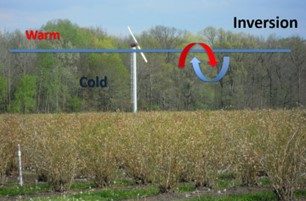
Wind machines circulate air within the orchard, preventing cold air from settling and creating a temperature inversion layer.
Orchard Heaters

Heaters, such as smudge pots or propane heaters, generate heat to raise the air temperature around the trees.
Other Weather That Impacts Michigan’s Orchards
Apple Orchards and Hail Damage
Hail can be a threat to Michigan Apple orchards, potentially damaging fruit, leaves, and even the trees themselves, leading to crop losses and long-term impacts on tree health and future yields.
Damage to Fruit
Hail can bruise, dent, or even puncture apple fruit, making them unsuitable for fresh market sales. The severity of damage depends on hailstone size, intensity, and the stage of fruit development.
Foliage Damage
Hail can tear, shred, or even remove leaves, impacting the tree’s ability to photosynthesize and produce energy for growth and fruit development.
Tree Damage
Hail can injure tree bark, shoots, and limbs, potentially leading to increased susceptibility to diseases and reduced vigor. In severe cases, young trees may not recover from hail damage.
Impact on Future Yields
Even if the current crop is not severely affected, hail damage can reduce the number of fruit buds for the following year, leading to lower yields in subsequent seasons.
Economic Losses
Hail damage results in significant economic losses for apple growers, including reduced crop value, increased costs for fungicide applications to prevent fungal infections in damaged tissue, and potential losses of entire crops.
Mitigation Strategies
Some growers use hail nets to protect their orchards, while others use hail cannons to deter hail formation.